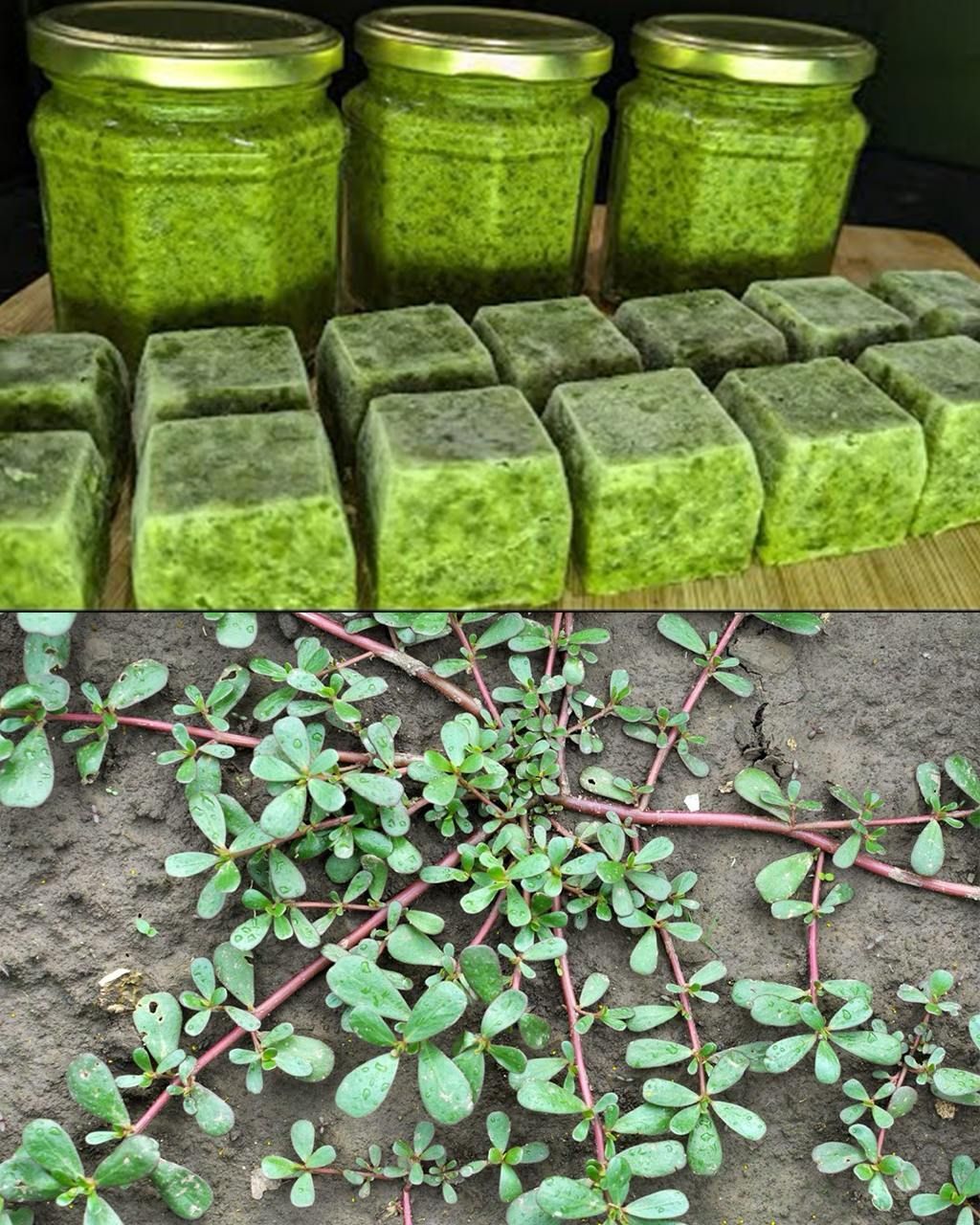
In the realm of botany and modern nutrition, some of the most valuable discoveries are not hidden deep in remote rainforests or locked behind laboratory doors. They are growing quietly underfoot. What many homeowners dismiss as an intrusive weed sprouting through sidewalk cracks or crowding carefully tended flower beds is, in truth, a remarkably dense source of nourishment. Purslane—frequently uprooted and discarded without a second thought—is steadily gaining recognition as one of the most potent plant-based additions to the contemporary diet.
Known scientifically as Portulaca oleracea, purslane is far more than a safe edible green. It is a concentrated reservoir of nutrients with measurable implications for heart health, cognitive performance, skin resilience, and metabolic stability. For adults over 60—an age group increasingly focused on managing inflammation, sustaining energy, preserving mobility, and maintaining independence—the value of functional foods cannot be overstated. In a decade often defined by joint stiffness, fluctuating stamina, and a heightened awareness of chronic disease risk, anti-inflammatory whole foods move from optional to essential.
What follows is a closer examination of what occurs when this unassuming plant becomes a consistent part of a daily health regimen.
1. A Plant-Based Omega-3 Source with Cardiovascular Impact
For years, cardiologists have emphasized fatty fish as a primary dietary source of omega-3 fatty acids. Purslane, however, stands out as one of the richest plant-based sources of alpha-linolenic acid (ALA), a critical omega-3 linked to reduced systemic inflammation and improved cholesterol balance. In populations where the risk of stroke and coronary artery disease rises with age, incorporating purslane into morning eggs or midday salads represents a strategic, heart-conscious decision grounded in nutritional science.
2. Supporting Skin Health at the Cellular Level
The skincare industry often promotes topical treatments as the solution to aging skin. Yet dermatological resilience begins internally. Purslane contains significant levels of Vitamins A and C—two nutrients central to collagen synthesis and cellular repair. For individuals over 60 seeking to soften the appearance of fine lines or mitigate sun damage accumulated over decades, this wild green offers an accessible and natural avenue for supporting elasticity and maintaining a healthy, vibrant complexion.
3. A Natural Defense Against Chronic Inflammation
Chronic inflammation is widely recognized as a driving force behind many age-related conditions, including arthritis and cognitive decline. Purslane delivers a potent antioxidant trio: Vitamin E, beta-carotene, and glutathione. Working synergistically, these compounds counter oxidative stress at the cellular level. The result is a natural reinforcement of the body’s defense systems—often reducing reliance on supplemental interventions.
4. Protecting Vision Over Time
Age-related vision changes are among the most common concerns in later life. Purslane’s high beta-carotene concentration converts to Vitamin A, a nutrient foundational to night vision and overall ocular function. Diets abundant in these compounds have been associated with delayed progression of macular degeneration. For those managing blurred vision or persistent dryness, this modest green may serve as a meaningful nutritional ally.
5. A Tool for Weight Stability
As metabolism slows with age, maintaining a healthy weight becomes increasingly complex. Purslane provides a practical solution: it is exceptionally low in calories while offering substantial fiber and water content. This combination promotes satiety, curbing unnecessary snacking and stabilizing appetite without diminishing energy—an important balance for long-term weight management.
6. Bone and Joint Support Beyond Dairy
Concerns about bone density and osteoporosis often intensify after 60. Purslane delivers a noteworthy mineral profile, including calcium, magnesium, and potassium—three elements that work in concert to preserve skeletal strength and joint integrity. For those reducing dairy intake or seeking alternatives to multiple supplements, purslane presents a whole-food approach to mineral support.
7. Encouraging Digestive Regularity
Digestive health, though seldom discussed openly, becomes increasingly significant in later decades. Purslane contains soluble fiber and mucilage—compounds known to soothe the gastrointestinal lining and foster a balanced gut microbiome. Regular consumption may alleviate bloating and constipation, promoting smoother digestive function and daily comfort.
8. Stabilizing Blood Sugar Levels
For individuals managing prediabetes or type 2 diabetes, dietary precision is critical. Emerging research suggests that purslane may enhance insulin sensitivity and contribute to more stable blood glucose levels. Its low glycemic index makes it a dependable option for sustaining consistent energy while minimizing abrupt sugar spikes and crashes.
9. Reinforcing Immune Function
The immune system naturally weakens with age, heightening vulnerability to infections. Purslane supplies zinc, Vitamin C, and Vitamin A—nutrients that fortify respiratory barriers and support immune cell activity. Consistent intake may strengthen the body’s resilience during seasonal illness cycles and beyond.
10. Supporting Hydration and Electrolyte Balance
Composed of nearly 90 percent water, purslane functions as a natural hydrating agent. Its electrolyte content—particularly magnesium and potassium—assists in fluid regulation and circulation. This makes it a valuable addition during warmer months or periods of physical exertion, when dehydration and muscle cramps become more likely.
11. Nourishing Cognitive Health
The same omega-3 fatty acids that benefit cardiovascular systems also support neurological integrity. By supplying plant-based omega-3s, purslane contributes to neuron protection, memory retention, and mental clarity. In an era where age-related cognitive decline and dementia are growing concerns, dietary measures that proactively protect brain health carry considerable weight.
Culinary Application: Incorporating Purslane into Everyday Meals
One of purslane’s most compelling qualities is its versatility in the kitchen. It offers a pleasantly tangy, slightly salty flavor profile and a crisp, succulent texture that adapts easily to both raw and cooked preparations.
-
Raw: Add to salads or layer onto sandwiches for a refreshing crunch.
-
Sautéed: Lightly cook with olive oil and garlic, similar to spinach.
-
Integrated: Stir into soups, stews, or omelets during the final minutes of cooking.
-
Blended: Incorporate into green smoothies for a concentrated nutrient boost.
Though increasingly available at farmers’ markets, purslane may already be thriving in untreated backyard gardens. Harvest only from soil free of pesticides, and wash thoroughly before consumption.
The Verdict
The evolution of purslane’s reputation—from nuisance weed to nutritional asset—underscores a broader truth about whole foods: value is often overlooked when it appears ordinary. For older adults seeking sustained vitality without the expense of high-priced supplements, purslane represents a practical, evidence-based addition to the table. The next time this resilient green appears between paving stones or along garden borders, reconsider its presence. Rather than discarding it, recognize it for what it is—an accessible, nutrient-dense gift hiding in plain sight.
Be First to Comment