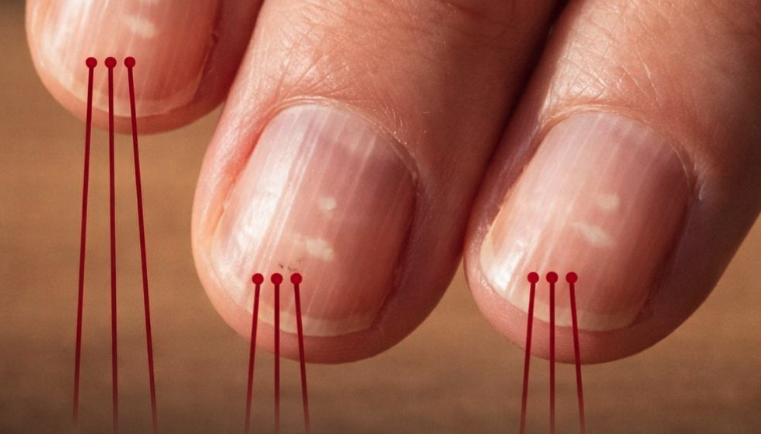
As the body moves beyond its fourth decade, the changes are rarely dramatic at first. They arrive quietly—subtle shifts in energy, recovery time, skin elasticity. Among the most overlooked indicators of this internal recalibration are the fingernails. For many people over 40, nails that were once smooth, durable, and predictably strong begin to thin. Vertical ridges become more pronounced. Splitting and peeling turn routine tasks—opening a can, typing, even buttoning a shirt—into small frustrations.
These alterations are not cosmetic anomalies; they are biological signals. With age, cellular turnover slows. Hormonal profiles fluctuate, particularly during perimenopause and beyond. The digestive tract becomes incrementally less efficient at absorbing key nutrients. Together, these factors influence the nail matrix—the living tissue responsible for producing keratin, the protein that forms the nail plate.
Yet while these changes are common, they are not an irreversible sentence of fragility. Within dermatology and geriatric nutrition circles, there is broad agreement on one point: topical treatments can offer temporary reinforcement, but durable nail strength is built internally. The most effective intervention is not found in a bottle of hardener, but on a plate. By intentionally supplying the body with specific structural nutrients, it is possible to fortify the nail matrix and stimulate the production of thicker, more resilient keratin from the inside out.
Below are the primary nutritional pillars that support nail integrity in midlife and beyond.
1. High-Biological-Value Protein: The Keratin Framework
Fingernails are composed primarily of keratin, a dense structural protein arranged in layered sheets. As protein synthesis efficiency declines with age, both the quantity and quality of dietary protein become critical. Without an adequate supply of essential amino acids, the nail bed simply cannot manufacture sufficient keratin to maintain thickness and structural strength.
Optimal sources include organic eggs, pasture-raised poultry, wild-caught fish, Greek yogurt, and plant-based staples such as lentils and black beans. The strategic approach is straightforward: prioritize protein at every meal. When intake falls short, the consequences often appear in the form of slow growth, peeling layers, and a noticeable loss of rigidity.
2. Biotin (Vitamin B7): The Structural Reinforcer
Biotin has earned its reputation as a cornerstone nutrient in nail health. Functioning as a coenzyme in fatty acid and amino acid metabolism, Vitamin B7 plays a direct role in keratin production. Clinical observations frequently associate brittle, easily fractured nails with suboptimal biotin levels—a deficiency that becomes more common after 40.
Rich dietary sources include egg yolks, almonds, walnuts, sweet potatoes, whole oats, and fresh mushrooms. It is important to note that biotin does not produce overnight results. Consistent intake over several months is typically required before measurable improvements in thickness and reduced splitting become evident.
3. Bioavailable Iron: Preventing Anemia-Linked Fragility
Iron deficiency—sometimes even before it registers as full clinical anemia—remains one of the leading contributors to nail splitting, medically termed onychoschizia. When iron stores are low, the body prioritizes oxygen delivery to vital organs, leaving peripheral tissues such as the nail matrix under-resourced. The result can be thin, pale nails or even koilonychia, commonly known as spoon-shaped nails.
Iron-dense foods include spinach, fortified cereals, lean red meat in moderation, chickpeas, and pumpkin seeds. However, plant-based (non-heme) iron is not easily absorbed. Pairing iron-rich foods with Vitamin C—such as citrus, bell peppers, or a squeeze of lemon—can significantly improve absorption rates.
4. Omega-3 Fatty Acids: Preserving Flexibility and Moisture
A frequent complaint in midlife is nail dryness. As natural oil production declines, nails lose flexibility and become prone to snapping. Omega-3 fatty acids function as internal moisturizers, helping maintain hydration within the nail bed and supporting flexibility in the nail plate.
Cold-water fatty fish such as salmon and sardines are prime sources, along with chia seeds, flaxseeds, and walnuts. Beyond nail health, omega-3s offer anti-inflammatory benefits that support joint comfort and skin elasticity—making them foundational in broader anti-aging nutrition strategies.
5. Zinc: The Cellular Repair Regulator
Zinc is indispensable for tissues characterized by rapid cell division, including nails. It facilitates cellular repair and regeneration. A classic indicator of zinc deficiency is leukonychia—small white spots on the nail—or, in more pronounced cases, stalled growth.
Dietary sources include oysters, grass-fed beef, cashews, pumpkin seeds, and whole grains. Because the body does not store zinc efficiently, consistent daily intake is necessary to maintain tissue quality and prevent rapid deterioration.
6. Vitamin C: Strengthening the Nail Bed
While keratin forms the visible nail plate, the underlying nail bed relies heavily on collagen for structural support. Vitamin C is essential for collagen synthesis. Without sufficient levels, the foundational support beneath the nail weakens, increasing the likelihood of splitting at the edges or lifting from the bed.
Citrus fruits, kiwis, strawberries, broccoli, and red bell peppers are robust sources. Adequate Vitamin C helps maintain a firm connection between the nail plate and its base, reinforcing overall durability.
7. Systemic Hydration: Protecting the Water Matrix
Chronic, low-level dehydration is an often underestimated accelerant of nail aging. As neurological thirst cues diminish with age, many adults operate in a persistent state of mild dehydration. When nail water content drops below optimal levels—approximately 18 percent—the plate becomes stiff, dry, and susceptible to cracking.
Hydration should be approached both through fluid intake and water-rich foods such as cucumbers, watermelon, zucchini, and clear broths. Maintaining adequate hydration preserves flexibility, allowing nails to absorb everyday impact without fracturing.
A Broader Perspective
Strengthening nails after 40 is rarely about luxury serums or “miracle” capsules. It is a long-term exercise in nutritional discipline. A balanced diet that consistently incorporates these seven categories can yield visible improvements in growth rate, sheen, and structural resilience over time.
That said, sudden or dramatic changes in nail texture, color, or shape should not be dismissed. If these alterations occur alongside unexplained fatigue, dizziness, or significant hair thinning, medical consultation is essential. Nails function as a diagnostic window. While vertical ridges may reflect normal aging, they can also signal systemic issues that require professional evaluation.
In the end, healthy nails are more than an aesthetic detail. They are a small but highly visible indicator of broader physiological well-being—a reminder that what appears at the surface often begins much deeper within.
Be First to Comment